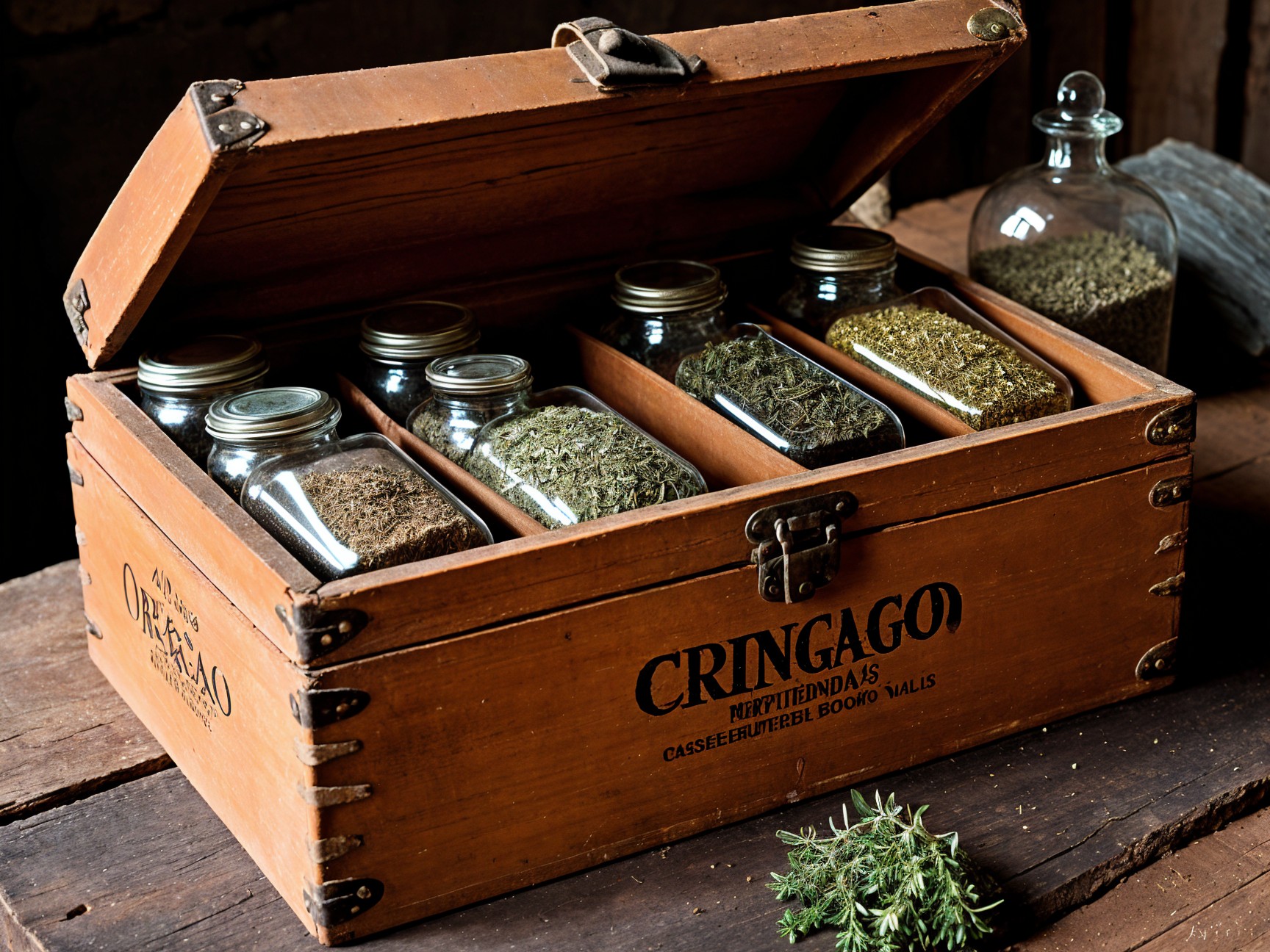
The History of Herbal Remedies: From Ancient Wisdom to Modern Medicine
Long before modern pharmacies, humans looked to the earth for healing. The history of herbal remedies is a rich tapestry woven through every culture and civilization. It represents the original source of medicine. This journey from ancient wisdom to evidence-based science reveals a profound connection between people and plants. A connection that still thrives today.
The Ancient Origins of The History of Herbal Remedies
Healing with plants is as old as humanity itself. Evidence suggests Neanderthals used medicinal plants like yarrow and chamomile over 60,000 years ago.
Ancient Mesopotamia (c. 3000 BCE): Clay tablets from Sumer detail recipes for herbal remedies using thyme, laurel, and myrrh.
Ancient Egypt (c. 1500 BCE): The Ebers Papyrus, one of the oldest medical texts, documents over 850 plant-based medicines, including garlic, aloe vera, and castor oil.
Eastern Traditions: A Holistic Approach the History of Herbal Remedies
Ayurveda in India:
Dating back over 3,000 years, Ayurveda (“the science of life”) is one of the world’s oldest holistic healing systems. It emphasizes balance and uses herbs like turmeric, ashwagandha, and ginger. Not just to treat illness, but to maintain overall well-being.
Traditional Chinese Medicine (TCM):
For millennia, TCM has used complex herbal formulas to restore the flow of Qi (vital energy). Herbs like ginseng, goji berries, and astragalus are central to its practice, often combined in sophisticated formulations.
The Western Herbal Legacy
The Greek Foundation:
Hippocrates, the “Father of Medicine,” categorized hundreds of herbs and championed a holistic view of health. His work was expanded by Dioscorides, whose text, De Materia Medica, was the standard reference for botanical medicine for over 1,500 years, telling the story of medicinal plants.
The Middle Ages and Monastic Gardens:
During the Dark Ages, monasteries preserved the knowledge of herbal remedies. Monks cultivated “physic gardens” containing sage, mint, and rosemary to treat the sick, and they carefully copied ancient texts by hand.
The Shift to Modern Science and The Great Disconnect
The 19th and 20th centuries saw the rise of chemical analysis and synthetic drug manufacturing. Consequently, while this led to incredible medical advances, it also created a disconnect that relegated herbal knowledge to “folk medicine”. Currently, the history of herbal medicines has sparked renewed interest and received scientific support.
The Renaissance of Herbalism Today
Today, we are witnessing a powerful resurgence of interest in plant-based healing, with Herbal Remedies as modern science validates what traditional healers knew all along.
For example:
Willow Bark was used for pain and fever for centuries. We now know it contains salicin, the precursor to aspirin.
Pacific Yew Tree led to the development of the cancer drug Taxol.
Turmeric‘s active compound, curcumin, is now one of the most studied natural anti-inflammatories.
This modern validation bridges the gap between ancient intuition and contemporary science, and it proves that these traditions hold immense value. You can experience this bridge firsthand with a recipe like Grandma’s Healing Immunity Tea, as it serves as a living example of this timeless, cross-cultural wisdom.
Conclusion: An Enduring Legacy of The History of Herbal Remedies
Ultimately, the history of herbal remedies is a story of observation, experimentation, and profound respect for nature. Furthermore, it reminds us that some of the most powerful healing agents have been growing around us all along, waiting to be rediscovered.
Does your family have a history with herbal remedies? We’d love to hear about your traditions in the comments!