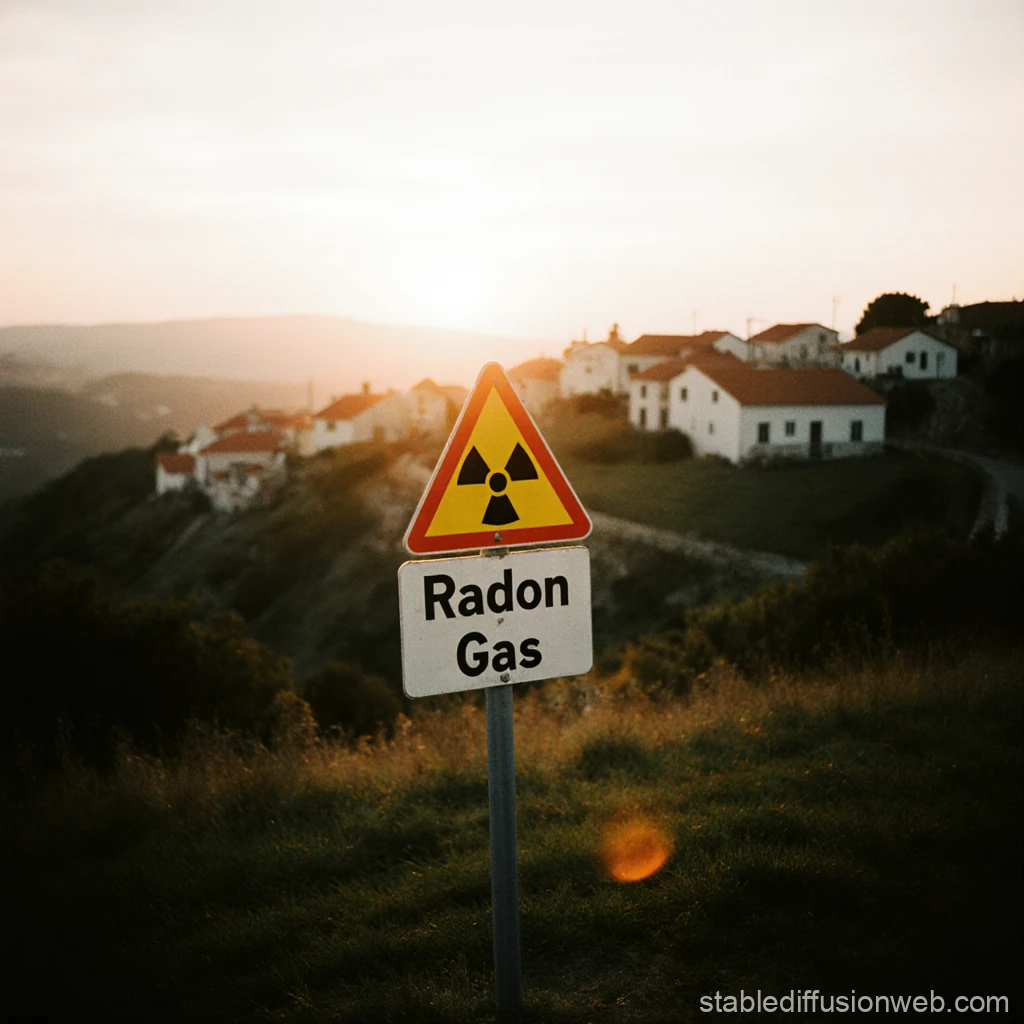
Radon Gas in Beira Baixa: What Every Homeowner Should Know
What is radon gas in Beira Baixa?
Radon is a radioactive gas produced by the decay of uranium found in many soils and rocks. In Beira Baixa, geological conditions – especially areas with granite – can lead to higher concentrations. Because radon is colorless and odorless, the only way to know indoor levels is to test.
Why granite and local geology matter
Granite and some calcareous formations often contain small amounts of uranium. Therefore, they are more likely to release radon into the ground. Consequently, homes built on these soils can have elevated radon levels. For that reason, testing is critical.
Health risk – concise explanation
Radon primarily affects the lungs. When inhaled, radioactive particles can damage lung tissue and increase the risk of lung cancer. Moreover, the risk is higher for smokers. Thus, reducing indoor concentrations is essential for long-term health.
Quick links:
About our region |
Radon testing & kits |
Mitigation services |
How to test and lower radon gas in Beira Baixa
First, test your home. Testing is simple, affordable, and accurate. You can use a short-term test kit or a long-term monitor. If levels are high, act promptly.
Step-by-step testing plan
- Purchase a certified radon test kit or hire a licensed tester. (See monitoring page.)
- Place the monitor in a frequently used room on the lowest occupied level, and follow instructions carefully.
- Send the kit to the lab (if required) and review results. If the result shows elevated radon, proceed to mitigation.
Common mitigation actions
For many houses, active soil depressurization (a vent pipe system and fan) reduces radon effectively. Additionally, sealing cracks and improving ventilation can help. Contact local mitigation professionals for an assessment.
When to retest
After mitigation, retest to verify reductions. Also, retest after major renovations or changes to basement/ground floors.
Practical checklist
- Test annually or after major work
- Use long-term monitors for the most accurate picture
- If levels > recommended national action level, hire a mitigation professional
Iodine in sea salt – a local, complementary approach
While iodine in sea salt does not reduce radon, it is important for general public health. In Beira Baixa, ensuring the population has access to iodine-enriched salt helps prevent iodine deficiency disorders — especially in coastal and nearby inland communities that rely on local salt supplies.
Why mention iodine here?
First, radon and iodine address different health paths: radon affects lungs; iodine supports thyroid health. However, both are part of a broader local public-health strategy. Therefore, when communicating with communities about radon gas in Beira Baixa, it can be wise to remind residents about nutritional safeguards like iodized salt.
Practical consumer tips
- Buy iodized sea salt labeled for human consumption.
- Store salt properly to keep iodine effective.
- Balance iodine with medical advice if you have thyroid issues.