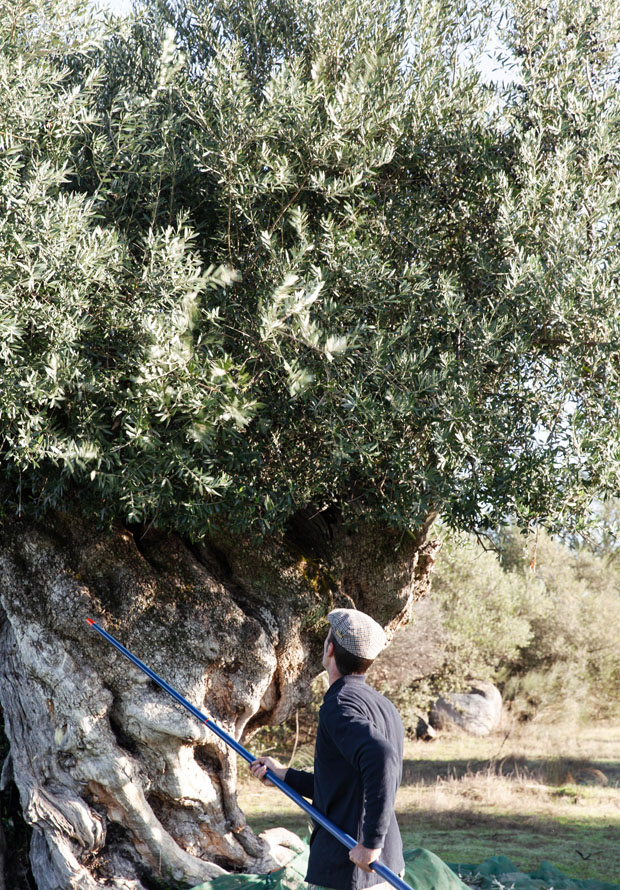
Olive picking in Proença-a-Nova: a practical guide
In Proença-a-Nova, in Portugal’s Beira Baixa, a good olive harvest depends on careful picking and prompt delivery to the mill. Here is practical guidance on harvesting, handling and transport, followed by two mills identified in published local information.
The mill list is not a complete or confirmed directory for the 2026 campaign. Check directly before setting off: seasonal opening, booking arrangements and services can change.
Pick carefully and keep fruit separate
Choose the harvest period according to the olive variety, local conditions and the fruit’s maturity and condition. Avoid a late harvest where possible. For olives intended for oil, mechanical harvesting may suit a grove where the terrain and trees allow it; olives for table use are picked by hand. Avoid forceful beating that strips too many leaves and twigs, which can harm the tree and its next crop. [S1]
Use a net or other suitable clean collection surface to catch fruit. Keep olives picked from the tree apart from fruit gathered off the ground. The Beira Interior production rules say fallen fruit should be kept separate, not mixed with the rest. This makes separate lots easier to handle at the mill. [S2]
Get olives to the mill promptly
Remove leaves and loose debris, then arrange delivery as soon as you can. Prefer clean, rigid, perforated crates that stack without crushing the fruit and allow air to circulate. The regional rules also allow transport in trailers, but advise against prolonged storage. The DGADR guide discourages plastic sacks for transport. [S2] [S1]
If there must be a wait, keep the fruit in a clean, ventilated place and avoid compressing it. International Olive Council guidance recommends short storage and prompt unloading, using suitable food-grade containers. For producers following the Beira Interior designation rules, the document sets a maximum storage period of three to four days. That is a regional production rule, not a universal deadline for every olive grower; aim to deliver sooner and check any certification requirements that apply to your crop. [S3] [S2]
After pressing, protect the oil from light, heat and air. IOC guidance describes stable, moderate temperatures and airtight storage for oil at the mill. At home, keep your oil in a clean, well-sealed container, away from direct light and heat. [S3]
Olive mills identified in Proença-a-Nova
These are two mills for which published local sources provide specific information. The sources do not establish that this is a complete list or confirm either mill’s arrangements for the 2026 harvest. Contact the mill first to check opening dates, booking, accepted quantities, service options and charges.
| Mill | Location | Contact | What the available information says |
|---|---|---|---|
| Lagares da Catraia | Parque Empresarial de Proença-a-Nova (PEPA), Vale Serrão | 274 673 618; geral@lagaresdacatraia.pt | A local report says the mill received olives from private growers and offered processing options. A Beira Baixa tourism brochure lists seasonal visits in November and December, with dates dependent on the harvest. The processing report is from 2020, so confirm its current services and campaign dates. [S4] [S5] |
| Lagar de Azeite da Sobreira Formosa | Sobreira Formosa; ask the operator to confirm the delivery location | 969 860 784 or 274 600 130 | A local report said the 2025 campaign was due to start on 3 November and that growers should book using these numbers. This is useful contact information, but it does not confirm 2026 opening dates or terms. [S6] |
Before you set off
Call ahead and ask whether the mill is receiving olives, whether it accepts your harvest type, and how it wants the fruit presented. Confirm the booking time, delivery address, fees and whether you will receive your own oil or sell the olives. This is especially important because the available published details are seasonal and do not verify the mills’ 2026 arrangements.